

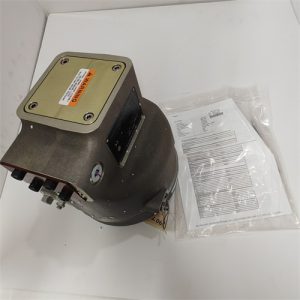
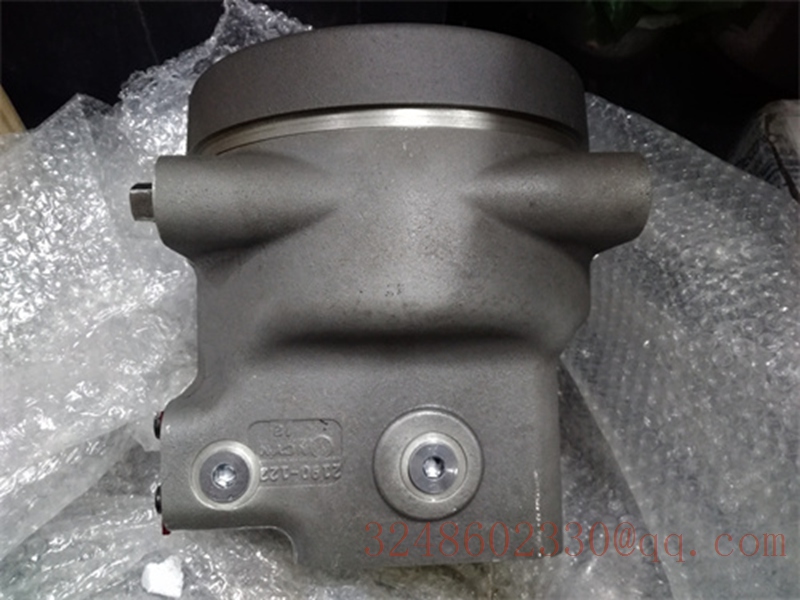
WOODWARD 9907-1200 Pressure Converter
product description
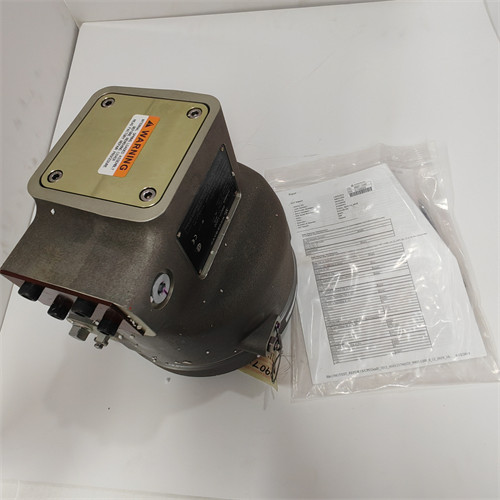
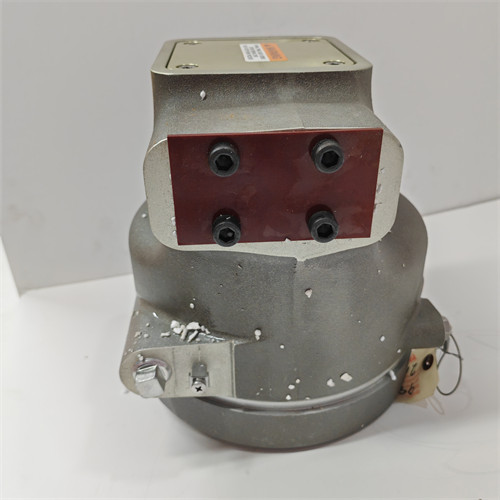
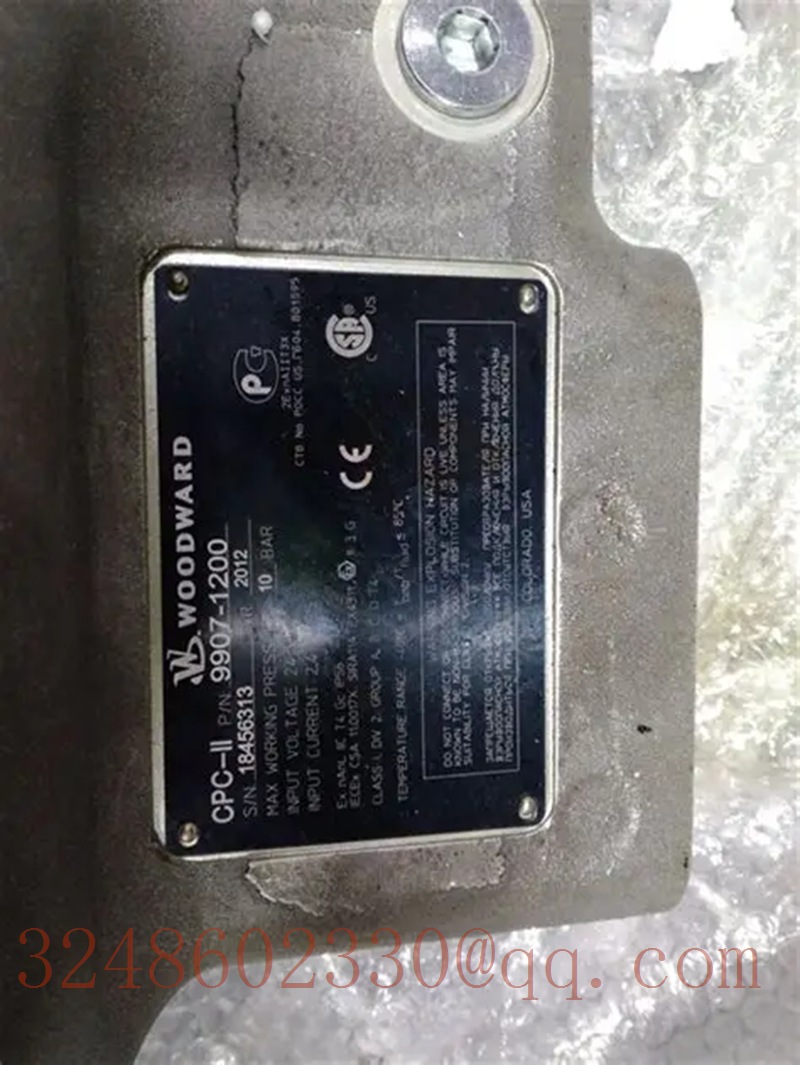
WOODWARD 9907-1200 is a second-generation current to pressure converter produced by Woodward Corporation in the United States, commonly known as CPC-II (Current to Pressure Converter, Generation II) or electro-hydraulic converter. This device is the core control component in the turbine speed control system, specifically designed to convert electrical signals into hydraulic signals for precise control of valve opening.
The following is a detailed analysis of the product:
1. Core functions and working principles
Electro hydraulic conversion: It receives a pressure demand signal of 4-20 mA from the control system and linearly converts it into a proportional hydraulic oil pressure signal, thereby driving the hydraulic amplification mechanism of the rear stage to drive the hydraulic motor and regulating valve.
Servo positioning: As an electro-hydraulic pressure regulating control valve, it is mainly used for precise control and positioning of single acting turbine valve servo/actuator, directly related to the speed and load control of the turbine.
2. Core technical features
Excellent anti pollution capability: CPC-II solves the primary reliability issue in industry where oil pollution affects the normal operation time of equipment. It has oil pollution resistance characteristics (ISO20/16) and built-in self-cleaning valve algorithm, which can completely eliminate pollution particle blockage without relying on high-precision filters.
High precision and high response: It has extremely high resolution and control accuracy (including valve linearization table, full range<0.2%), and extremely fast response time (≤ 2ms), ensuring stable and linear valve control.
Intelligent state monitoring: supports real-time indication and trend analysis of the health status of internal units, input power quality, pressure sensors, and input demand signals.
Redundancy and Security Design: Suitable for critical applications, supports receiving signals from redundant controllers, and dual CPC configurations.
3. Model parameters and specifications (9907-1200)
According to the product naming convention, the specific technical specifications of 9907-1200 are as follows:
Pressure rating: (0 to 10) bar/(0 to 145) psi.
Explosion proof certification area: Zone 2 (applicable to specific hazardous locations).
Working version: Singlex, Enhanced Dynamic version.
Supply voltage: commonly 24 Vdc or 120 Vac.
4. Installation and maintenance suggestions
Interface connection: Installed through an adapter block (manifold plate), the fluid ports need to be correctly docked: S is connected to hydraulic supply, C is connected to servo control pressure, and T is connected to hydraulic discharge (return oil).
Pipeline requirements: To prevent excessive pressure loss under transient flow, it is recommended that the inner diameter pipeline size be no less than 12 mm (recommended 18 mm). It is not recommended to use an accumulator for optimal performance.
Flushing and filtering: Before installation, the hydraulic pipelines and oil tank must be thoroughly flushed. It is recommended to install high-capacity, repairable filters upstream of the supply port to ensure hydraulic cleanliness.
Installation posture: It can be installed in any posture, but in applications involving oil pollution or water carryover, it is recommended to install the fluid port facing downwards.
💡 Upgrade and Replace Tips
9907-1200 is often used as an upgraded substitute for existing old CPC or Voith throttle valve controllers (such as Woodward 9907-046, 9907-477, 9907-802, 9907-1100, etc.), which can significantly improve the operational reliability of the steam turbine market.

Reviews
There are no reviews yet.