
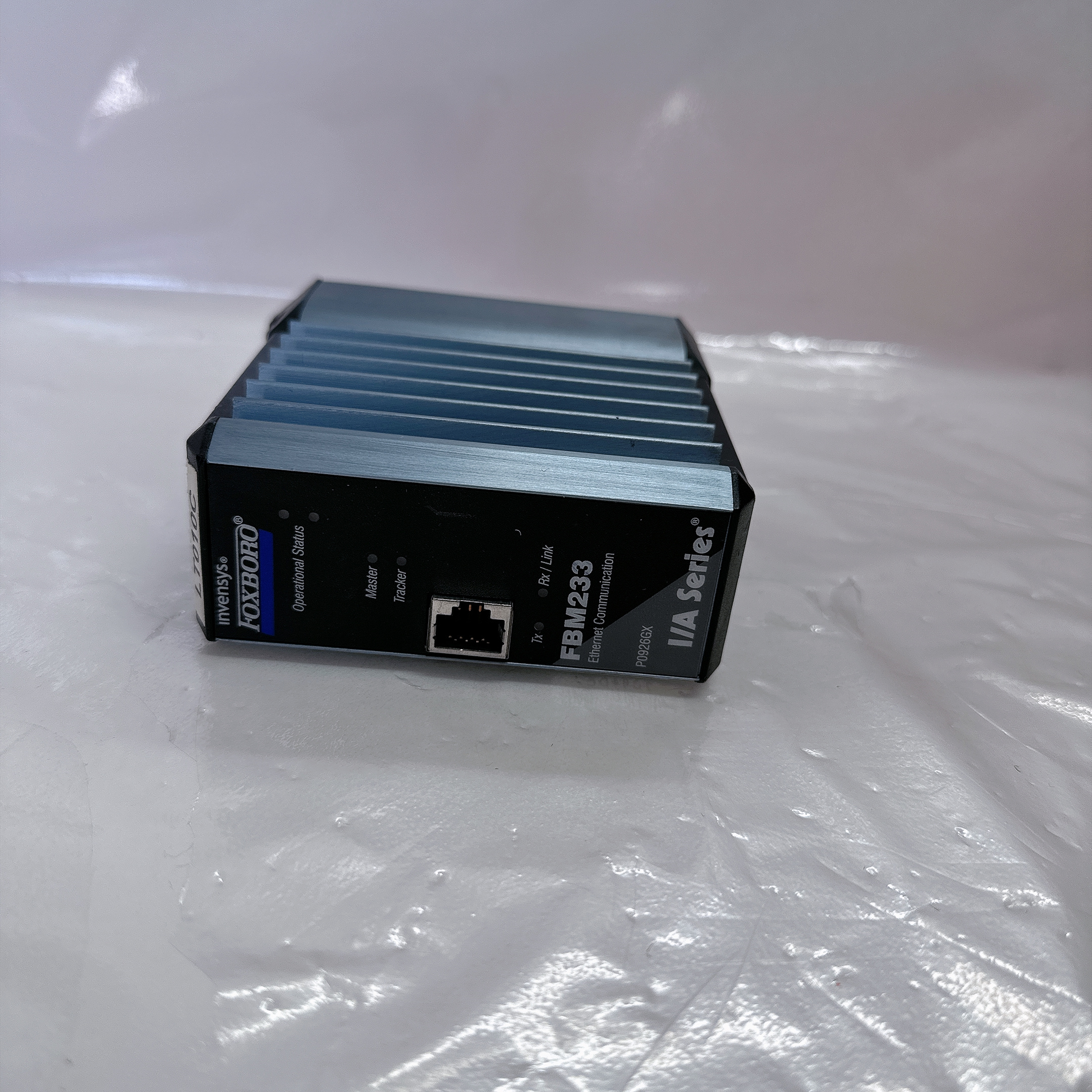
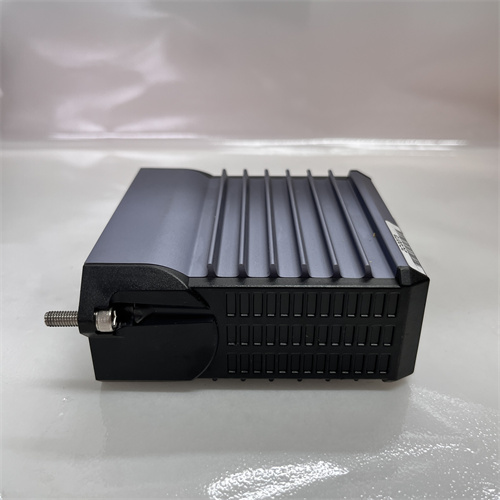
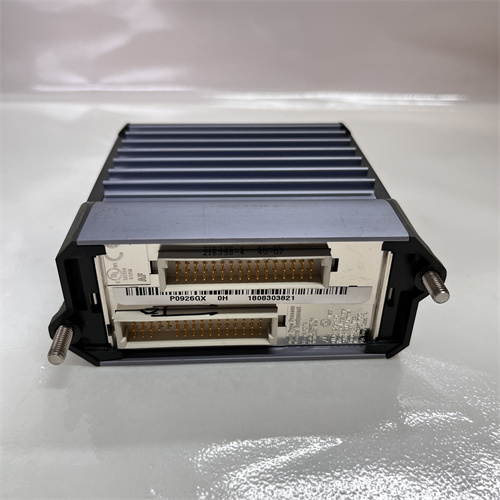

Foxboro P0926GX FBM233 Distributed Control System (DCS) Module
product description
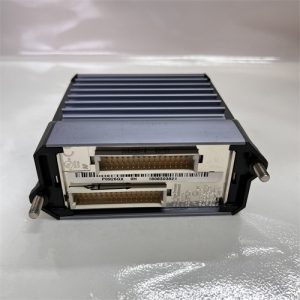
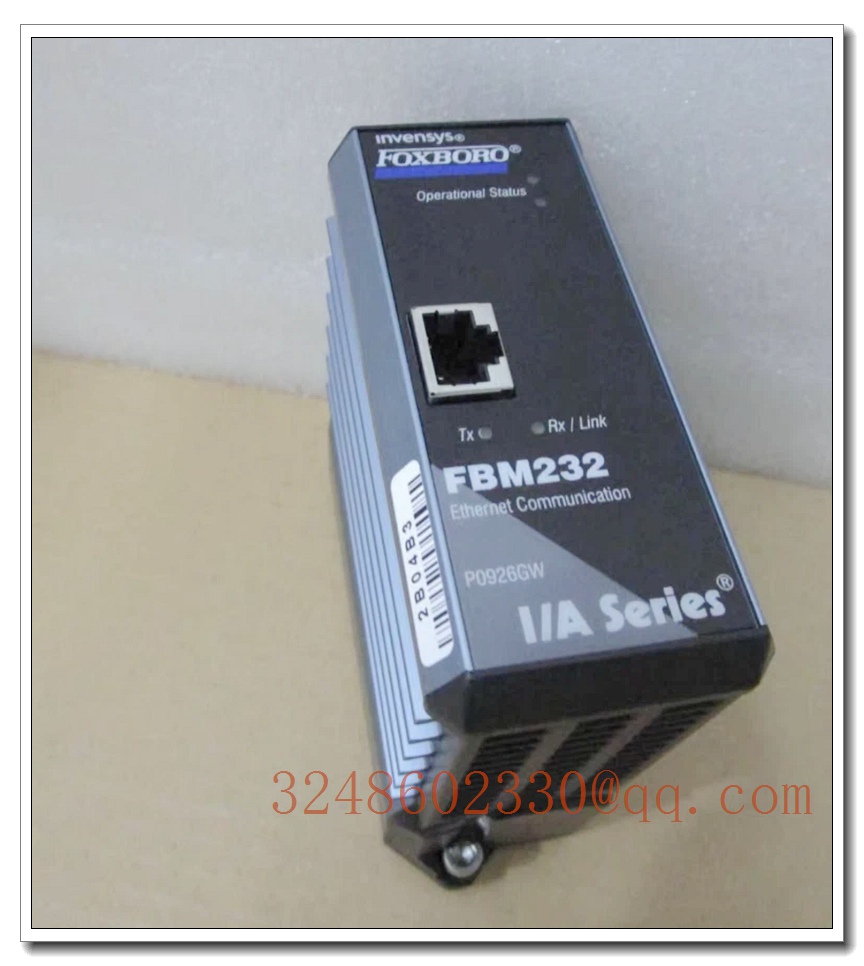
Foxboro P0926GX (FBM233) is an Ethernet communication interface module for Schneider’s Foxboro (Invensys) I/A Series DCS. It is used to connect third-party PLCs, instruments, MCC, etc. to DCS and supports protocols such as Modbus TCP/IP. Its main features include high reliability, redundancy, wide temperature range, and G3 anti-corrosion.
1、 Basic Information
Model: FBM233, Part Number: P0926GX
Brand: Foxboro (Schneider Electric/Invensys)
Series: I/A Series DCS/EcoStruxure Foxboro
Type: Ethernet Communication Module (Non ordinary I/O)
Current situation: Mainstream in service, not discontinued, widely used in petrochemical, power, and water treatment industries
2、 Hardware specifications
Network port: 1 x RJ45, 10/100 Mbps adaptive
Protocol: Modbus TCP/IP (master/slave) TCP/IP、UDP/IP; Downloadable drivers support customized protocols
Load capacity: Up to 64 on-site devices per module; Support 2000 DCI control interface blocks
Redundancy: Master/Tracker dual machine hot standby, seamless automatic switching in case of failure, zero data loss
Power supply: 24 V DC (+5%/-10%), maximum power consumption of 7 W
Temperature: -20 ° C to+70 ° C (wide temperature industrial grade)
Environment: ISA G3 anti-corrosion coating, resistant to salt spray, dust, and corrosion (suitable for offshore/chemical applications)
Isolation: Module and on-site electrical isolation, anti-interference
Size/Weight: 102 × 45 × 104 mm, approximately 284 g
Certification: UL, CSA, CE, ATEX, Class 1 Div 2 (Explosion proof)
Design: Hot swappable, online replacement without interrupting business
Indicator light: Front LED, displaying power, network port, and main/backup status
3、 Core functions
Third party device access: Connect Ethernet devices such as PLCs, MCCs, analyzers, and instruments to facilitate data exchange between DCS and heterogeneous systems.
High speed real-time communication: 10/100 Mbps low latency, meeting the real-time requirements of process control.
Redundancy and Fault Tolerance: Dual module hot standby, automatic network/hardware fault switching, ensuring continuous operation of critical processes.
Flexible protocol adaptation: Supports multiple protocols by downloading I/O drivers, and can adapt to different devices without changing hardware.
Strict environmental adaptation: G3 anti-corrosion, wide temperature, isolation design, suitable for high corrosion/high temperature scenarios such as refining, chemical, offshore platforms, etc.
4、 Typical applications
Petrochemical industry: DCS communicates with third-party PLCs and unit control systems.
Electricity/Energy: Power plant auxiliary control MCC、 Instrument networking is connected to DCS.
Water treatment/municipal: Multi site instrumentation, pump valve control integration.
Industrial Internet of Things: Legacy devices are Ethernet connected to modern DCS.
5、 Advantages and disadvantages
✅ Advantages: native redundancy, hot swappable, wide temperature G3 anti-corrosion, flexible protocol, Schneider factory support, long-term supply.
❌ Disadvantages: Only communication function (no local I/O), high price, and need to be matched with I/A series DCS card rack.
6、 Substitution/Compatibility
Same series upgrade: FBM234/FBM235 (multi port/higher performance).
Compatible systems: Foxboro Evo, I/A Series full versions.

Reviews
There are no reviews yet.