
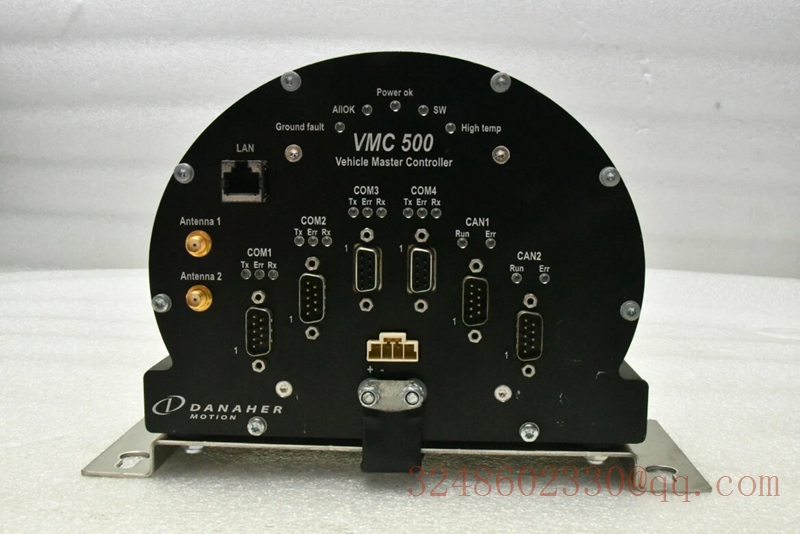
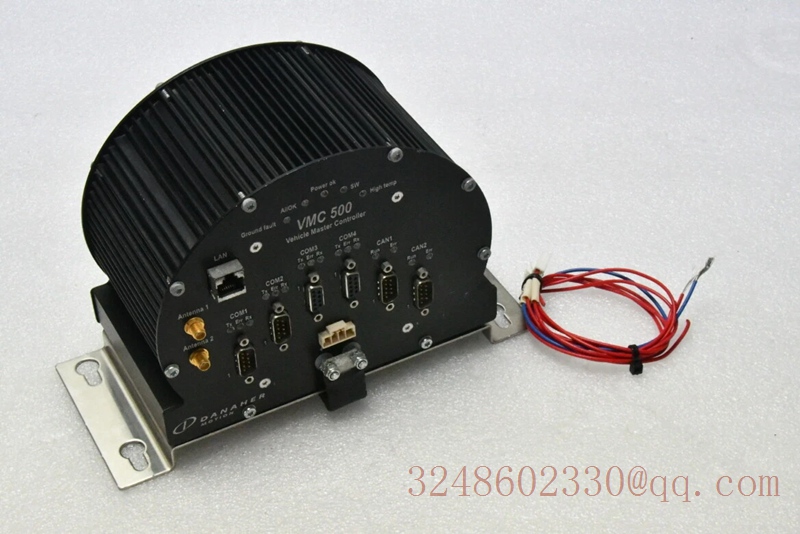
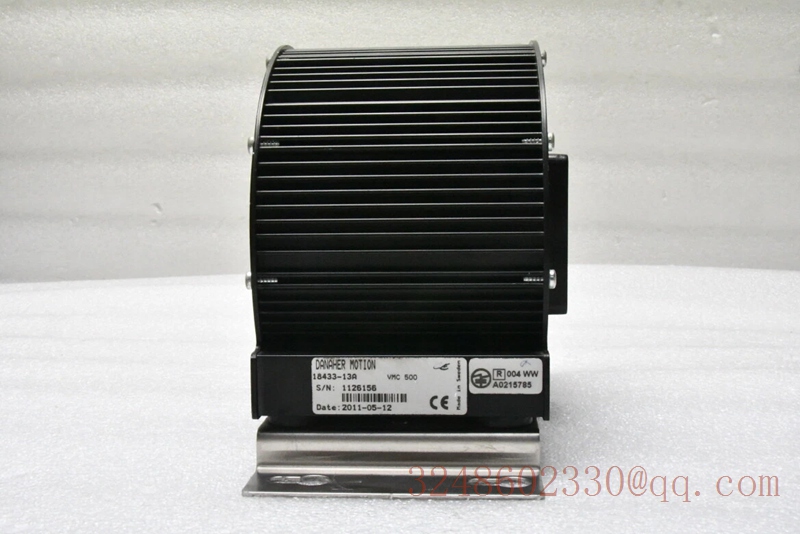

DANAHER VMC500 Motion Controller
product description
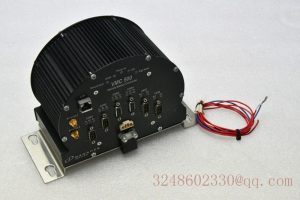
DANAHER VMC500 is a high-performance motion controller produced by Danaher Motion (now part of Altra Industrial Motion) in the United States. This device is usually used as the core control unit and is widely applied in industrial automation equipment that requires high-precision positioning, complex trajectory planning, and multi axis synchronous control.
The following is a detailed analysis of the product:
1. Core functions and features
Powerful motion control algorithm: supports multiple complex motion modes, including linear/circular interpolation, electronic gears, electronic cams, etc., which can meet the high dynamic response requirements of precision machining and packaging machinery.
Flexible programming environment: usually paired with Danaher’s dedicated motion control software (such as Motion Perfect/PMA Studio), providing graphical interfaces and high-level language programming (such as BASIC or C language interfaces) for engineers to facilitate logic development and parameter tuning.
Rich I/O interfaces: onboard multi-channel digital input/output, high-speed encoder feedback interface, and analog command channel, which can directly connect various sensors and actuators, reducing dependence on external PLCs.
Multi bus communication capability: Supports industrial fieldbus protocols such as CANopen, DeviceNet, RS-232/485, and can easily connect to upper computer systems or distributed control systems.
2. Typical application scenarios
The VMC500 series controller, with its compact design and excellent performance, is commonly used in the following fields:
Semiconductor and electronic manufacturing: SMT machines, wafer transfer equipment, AOI testing equipment, etc.
Packaging and logistics machinery: high-speed filling machines, label cutting machines, sorting systems, etc.
Numerical Control Machine Tools and Robots: Axis Control for Small CNC Equipment, Joint Drive for SCARA or Delta Robots.
Medical equipment: CT scanners, automated laboratory analyzers, and other devices that require extremely high levels of quietness and accuracy.
3. Hardware specifications and environmental adaptability
Installation method: Adopting modular DIN rail installation design, compact size, suitable for dense arrangement inside electrical cabinets.
Protection level: It has industrial grade anti-interference ability, meets international certification standards such as CE and UL, and can operate stably in workshop environments with electromagnetic noise.
Status indication and diagnosis: The front panel is equipped with LED status indicator lights, which, combined with the upper computer software, can monitor the motor load, position error, and internal alarm codes in real time, making it easy to quickly troubleshoot faults.
💡 Common maintenance and debugging suggestions
In on-site applications, if encountering operational abnormalities, the following points can be taken into consideration for troubleshooting:
Communication interruption: Check if the terminal resistance is configured correctly (especially at both ends of the CANopen/DeviceNet bus), and confirm that the baud rate and node ID settings are correct.
Servo alarm/jitter: Check the matching parameters between the motor and the driver, check if the encoder wiring is well shielded, and if necessary, perform auto tuning again.
Abnormal limit triggering: Check whether the polarity configuration (normally open/normally closed) of the origin switch and positive and negative limit signals is consistent with the actual mechanical action.


Reviews
There are no reviews yet.